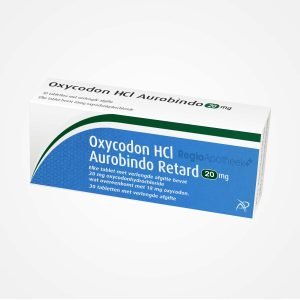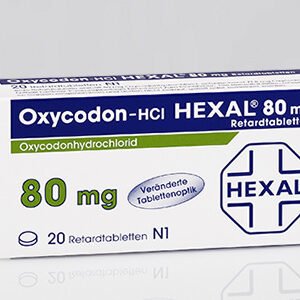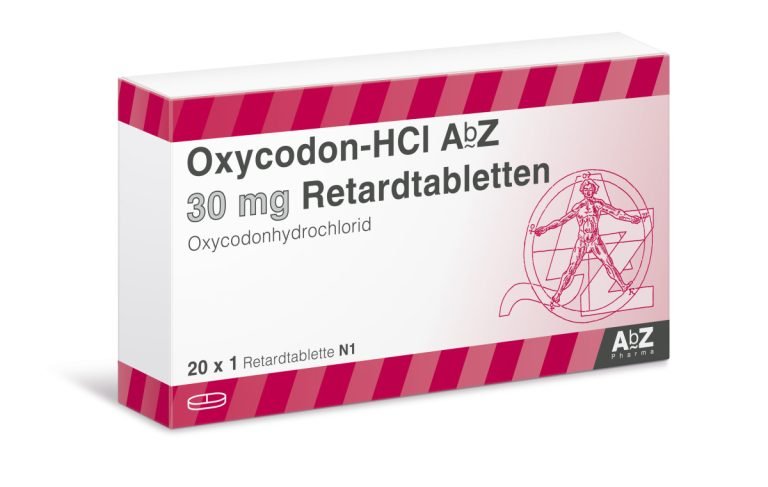
Oxycodone HCl 30 mg Patient Information and Safety
Oxycodone is a strong opioid painkiller prescribed for moderate to severe pain, especially when other pain medications are not effective. It works by binding to opioid receptors in the brain and spinal cord to reduce the perception of pain.
The 30mg strength is typically reserved for patients who are already opioid-tolerant and require higher-dose pain control under specialist supervision.
Medical uses
Oxycodone may be prescribed for:
- Severe post-operative pain
- Cancer-related pain
- Serious injury pain
- Chronic pain in specialist care settings
It is not used for mild or routine pain conditions.
How it works
Oxycodone reduces pain by:
- Blocking pain signals in the nervous system
- Changing emotional response to pain
- Producing sedation and relaxation
Because it affects brain reward pathways, it also carries a significant risk of dependence.
UK legal status
In the United Kingdom:
- Oxycodone is a Class A controlled drug
- It is a prescription-only medicine (POM)
- It is tightly regulated and monitored
It can only be legally dispensed by a licensed pharmacy with a valid prescription.
Risks and side effects
Even when used medically, oxycodone can cause:
- Drowsiness and sedation
- Constipation
- Nausea and vomiting
- Dizziness
- Respiratory depression (serious and potentially life-threatening)
- Physical dependence and withdrawal symptoms
Higher doses increase risk and require careful medical supervision.
Why oxycodone is strictly controlled
Opioids are tightly regulated because:
- They can cause addiction and dependence
- Overdose can suppress breathing
- Tolerance builds over time
- Risks increase when combined with alcohol or sedatives
For these reasons, prescribing is restricted and closely monitored.
Risks of online oxycodone sources
Searches like “buy Oxycodo HCl 30mg” often lead to illegal vendors that may:
- Sell counterfeit or mislabelled tablets
- Contain fentanyl or other unknown opioids
- Provide incorrect dosing information
- Pose a high risk of overdose or poisoning
Illicit opioid pills are a major public health risk globally.
Safer pain management options (UK)
Depending on the condition, doctors may recommend:
Non-opioid treatments
- Paracetamol
- NSAIDs (e.g. ibuprofen)
Prescription alternatives (when needed)
- Weak opioids under supervision
- Neuropathic pain medications
Non-drug approaches
- Physiotherapy
- Pain management clinics
- Rehabilitation programmes
When to seek medical help
You should speak to a healthcare professional if:
- Pain is persistent or severe
- Pain affects daily life
- Current treatments are not effective
- Strong medication is being considered